
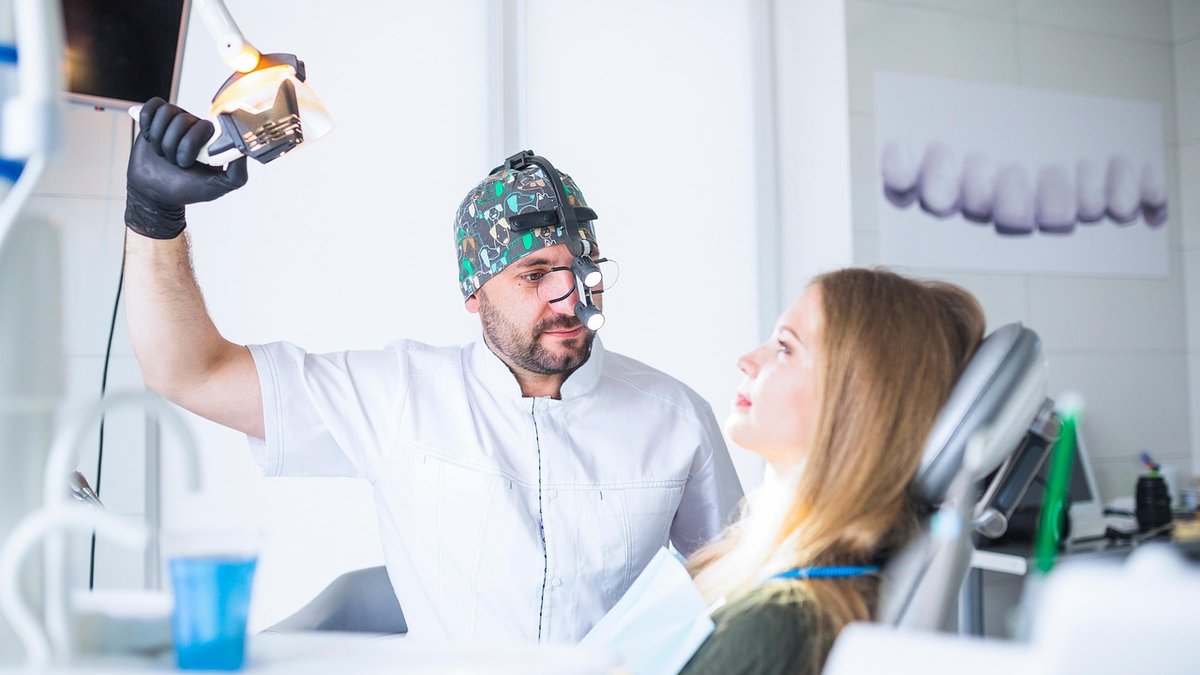
A racing heart, clammy hands and a knot in your stomach — for many people in the UK, just the smell of a dental practice is enough to trigger genuine fear. Dental anxiety is far more common than most people realise, affecting roughly one in four adults to some degree, with a smaller group avoiding the dentist altogether for years. The good news is that anxiety is not a fixed trait you simply have to live with. With honest communication, a few practical strategies and a team who understand, dental visits can become manageable — and sometimes even uneventful.
Fear of the dentist rarely appears out of nowhere. It often traces back to a difficult childhood experience, a painful treatment, a feeling of not being in control, or embarrassment about the state of your teeth. Others are troubled by specific triggers: the drill, the taste of impression material, a strong gag reflex, or the sensation of not being able to swallow.
Whatever the cause, avoidance tends to make things harder rather than easier. Small problems that would need a simple filling can develop over years into infections, extractions or root canal treatment — which understandably reinforces the original fear. Breaking that cycle usually means starting small, with short appointments and clear expectations, rather than waiting until you are in pain.
You do not have to hide your nerves or apologise for them. Most dental professionals would far rather know in advance than discover halfway through a procedure that you are struggling. A few ways to make this easier:
Feeling in control is often the single biggest factor in reducing anxiety. Before treatment begins, agree a clear signal with your dentist — a raised left hand is the traditional one — and confirm that everything will stop immediately when you use it. Knowing you can pause at any moment makes it far less likely that you will need to.
Ask for regular breaks: a few seconds to close your mouth, swallow and breathe properly can make a long appointment feel much more bearable. Request plenty of suction and rinsing if you dislike the sensation of water collecting, and ask for a countdown before anything unexpected happens. Some people find it helps to agree a maximum appointment length in advance, even if that means two shorter visits instead of one long one.
Breathing is your most portable tool, and it works even when your mouth is open. Try breathing in through your nose for a count of four, then out slowly for a count of six or eight. The longer exhale helps calm your nervous system. If you tend to hold your breath without realising, ask your dentist to remind you to breathe.
What happens before and after your visit matters too. Avoid caffeine on the day, since it can mimic the physical symptoms of panic. Use the bathroom beforehand, eat something light so your blood sugar is stable, and bring a friend or family member to sit in the waiting room if that helps. Plan something pleasant afterwards rather than rushing straight back to work.
If injections are your main worry, ask about topical anaesthetic gel applied before the injection, and mention that you would like the area to be properly numb before treatment starts. For check-ups, ask for a fluoride varnish or a scale and polish to be offered in separate visits rather than combined with anything else.
If your fear is severe, there is more help available than many people realise. Inhalation sedation — often called relative analgesia — uses a mixture of nitrous oxide and oxygen to take the edge off anxiety while keeping you awake and responsive. Intravenous sedation is deeper and is usually provided by a dentist with additional training or at a referral centre. Some NHS practices and community dental services offer specialist care for people with dental phobia, and cognitive behavioural therapy has a good track record for anxiety that feels overwhelming.
If sedation is used, you will need someone to escort you home and should not drive or return to work for the rest of the day. Whichever route you take, gradual, well-paced appointments with a team you trust remain the surest way to rebuild confidence. Each visit that passes calmly makes the next one a little easier — and that is progress worth celebrating.

Hi, my name is Anthony kuber. I am artist and fashion designer.
I love to travel and writing blogging.
Your email address will not be published. Required fields are marked *
Software Developer & Writer
Hey, I'm Diva, a developer and writer blending code and creativity. I'm driven by a deep curiosity and a relentless pursuit of excellence. Join me as I craft digital solutions and captivating stories.


